Talks & Speakers
Explore public recordings and presentation slides from the workshop.
Invited Talks
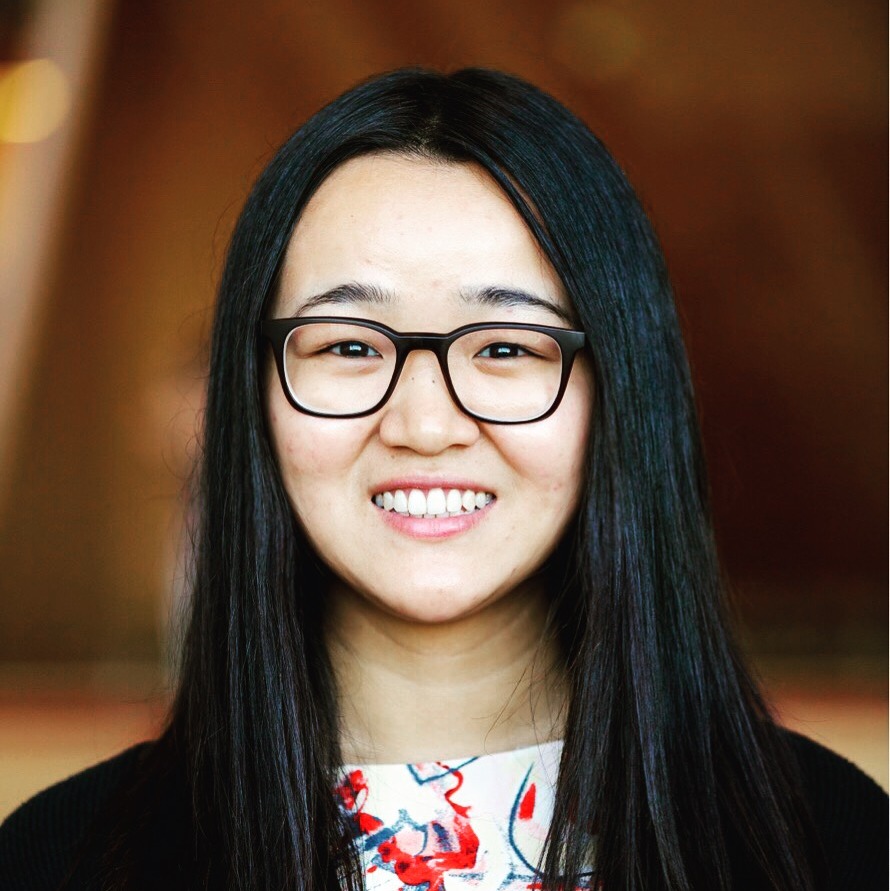
Stanford Univ.
Optimizing Human-AI Collaboration
Recent advances in large language models (LLMs) have transformed human-AI interaction, however, building effective collaboration requires AI systems that truly understand the people they work with. In this talk, we first audit the U.S. workforce to assess the impact of automation and augmentation on the future of work, guiding the development of AI agents that reflect workers' perspectives. We then introduce General User Models (GUMs), which learn about users by observing any computer interaction and constructing propositions about user knowledge, preferences, and context. We further present NAP (Next Action Prediction), a framework for anticipating user intent by reasoning over rich multimodal sequences of human-computer interactions, where modeling long interaction histories enables significantly more accurate predictions. Overall, this talk highlights how to develop AI systems that are proactive and capable of fostering meaningful collaboration with human users.
Diyi Yang is an Assistant Professor in the Computer Science Department at Stanford University, where she is affiliated with the Stanford NLP Group, Stanford HCI Group, Stanford AI Lab, and Stanford Human-Centered Artificial Intelligence. Her research focuses on socially aware NLP, large language models, and human-AI interaction, with a broader goal of designing human-centered AI systems that are technically capable and meaningfully connected to how people think, interact, and collaborate.
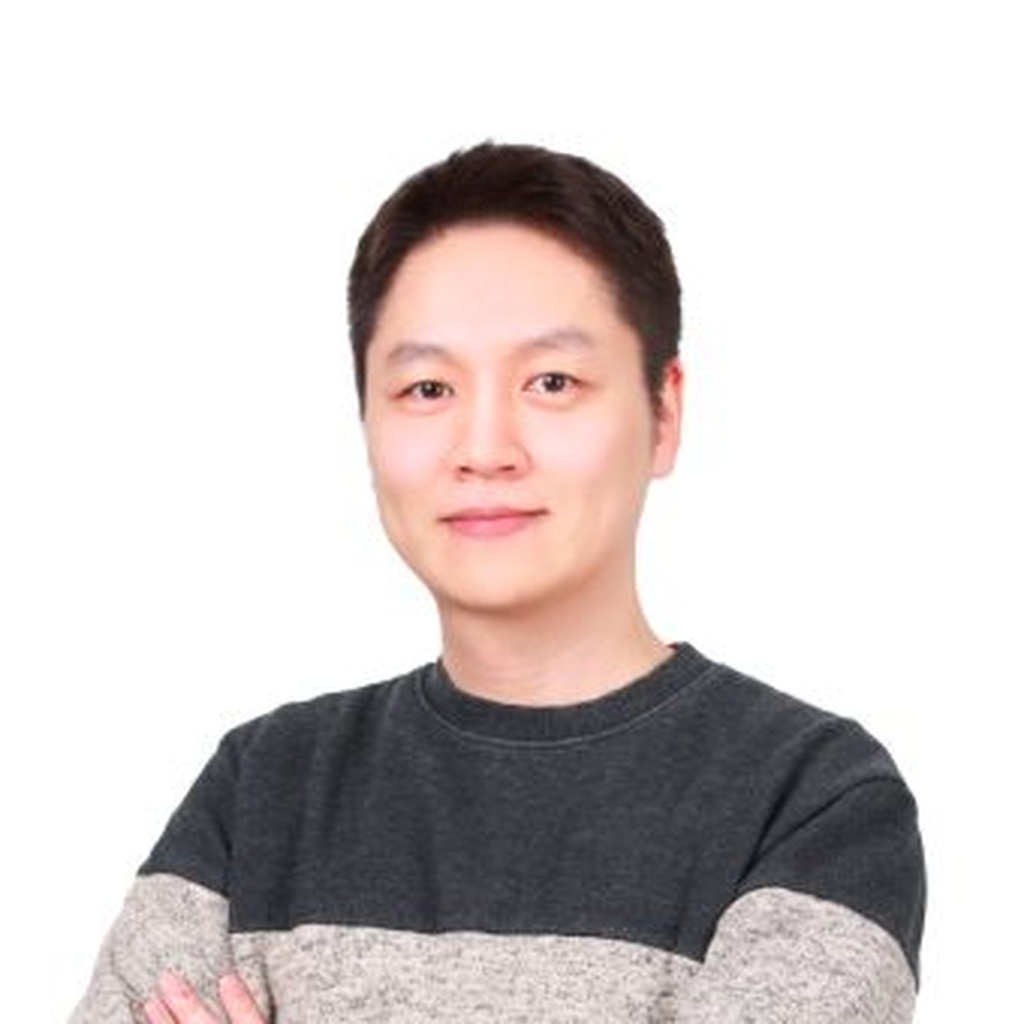
Seoul National Univ.
Non-Collaborative User Simulation
A major challenge in building collaborative AI systems is enabling them to perform robustly with diverse types of users. However, most user simulators used for training and evaluating AI systems are cooperative and helpful, whereas real-world users are much more diverse and non-collaborative. As a result, the performance of these systems in laboratory settings tends to be overestimated, and once deployed, the systems may struggle to collaborate smoothly with tricky users. In this talk, I will present several studies on simulating non-collaborative users across domains such as tool agents, emotional support conversations, and medical diagnosis dialogues. I will show that existing conversational AI systems interact poorly with non-collaborative user simulators and discuss their specific failure modes. I will then present several techniques for addressing this problem, either through fine-tuning or by grounding models in knowledge graphs. I hope this talk will foster fruitful discussion on how user simulation can better capture the diverse characteristics of real-world users, and on how we can equip AI systems to collaborate effectively with a broader range of users.
Yohan Jo is an Assistant Professor in the Graduate School of Data Science at Seoul National University. His research focuses on cognitive reasoning, agentic systems, pluralistic value alignment, and the internal mechanisms of foundation models, with an emphasis on building autonomous and collaborative AI agents that can reason more effectively, interact with software and devices, and align with diverse human values.

A*STAR I2R, Singapore
Grounding AI in Society
My research examines communication across human–human, human–machine, and human–AI contexts, with particular attention to how expectations of communication shift across them. We expect humans to understand context, intent, emotion, and social norms; machines to be predictable, efficient, and reliable; and AI systems increasingly to satisfy both sets of expectations. This convergence creates new questions about trust, agency, accountability, and what constitutes meaningful communication and collaboration between humans and AI.
Against this backdrop, my work develops computational models of human communication and context, builds socially grounded technologies for trustworthy human–AI interaction, and investigates how language-model use reshapes learning, reasoning, and professional expertise. The unifying goal is to augment human capability and potential while preserving human agency and cognitive resilience. I illustrate this research agenda through case studies spanning healthcare, education, eldercare, collaborative learning, and digital services.
Nancy F. Chen leads the Multimodal Generative AI Group and the AI for Education Programme at the Institute for Infocomm Research (I2R), A*STAR, and she is also a principal investigator at the Centre for Frontier AI Research. Her research advances conversational and multimodal intelligence, with a focus on how AI systems understand, interact with, and align to people across languages, contexts, and societies. She received her PhD from MIT and Harvard, and her work bridges speech and language processing with real-world AI deployment.
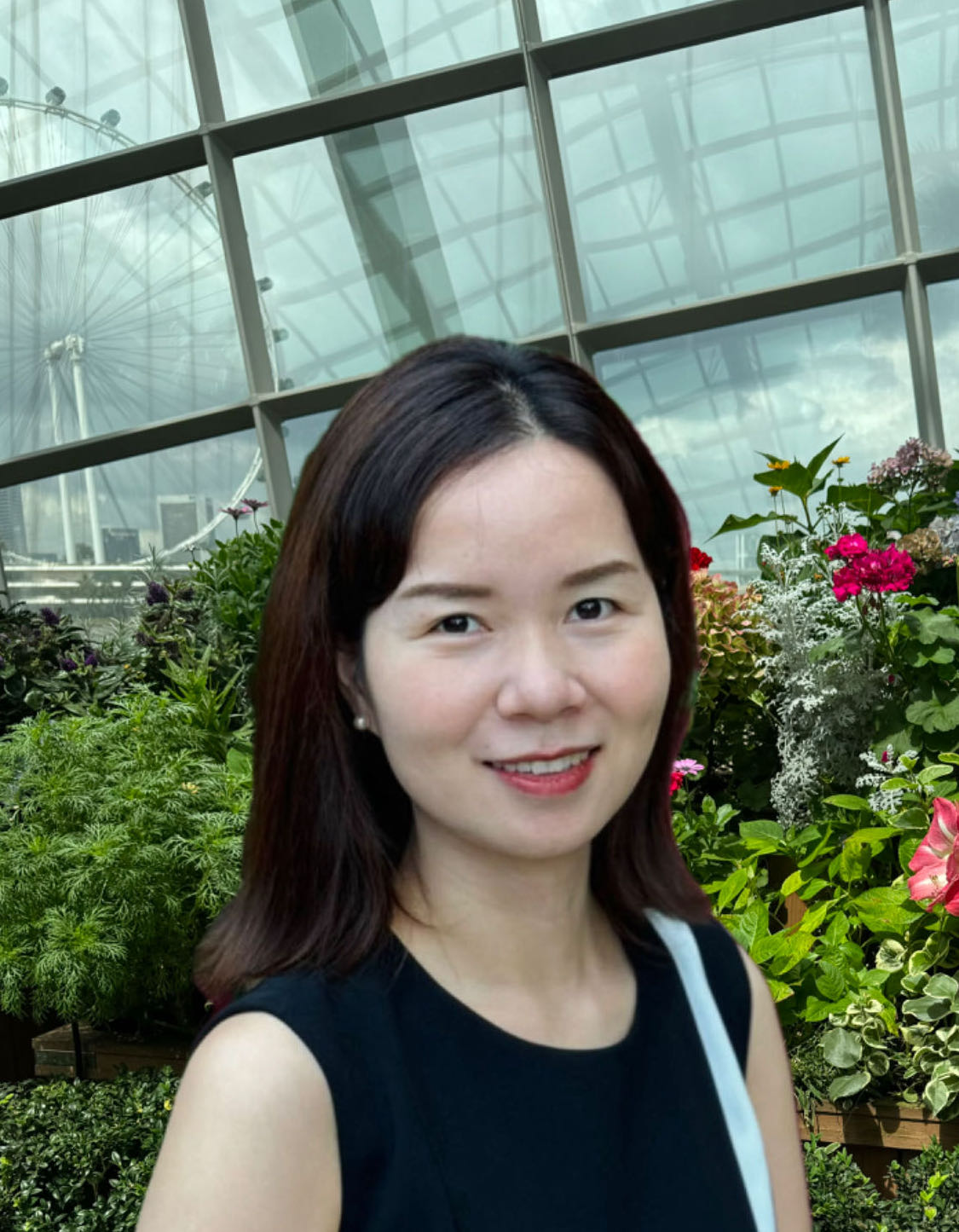
Singapore Management Univ.
Proactive Conversational Agents: A Glimpse into Emotional Support
Conversational AI has become remarkably good at answering — and has remained remarkably passive: even today's fluent LLM assistants follow a wait–answer–stop loop. This talk makes a brief case for proactive conversational agents — systems that take initiative, anticipate the user, and steer dialogue toward long-horizon goals — then steps into the world where this shift matters most: emotional support. It is where conversational AI was born — ELIZA (1966) played a psychotherapist, and PARRY (1972) carried the first machine emotional state — and where LLMs still offer vague, mechanical comfort. I present three of our moves toward proactive support: dual-process dialogue planning that thinks fast and slow; latent policy planning that mines strategies from real dialogues instead of hand-crafted labels; and multimodal systems that perceive the user's state from video, audio, and text. I close with the boundary between proactive and intrusive — calibrating initiative to users, moments, and cultures.
Lizi Liao is an Assistant Professor and Lee Kong Chian Fellow in the School of Computing and Information Systems at Singapore Management University, where she leads the CoAgent Lab. Her research sits at the intersection of multimedia computing and conversational AI, and she builds agents that understand and generate across text, vision, speech, and audio while acting proactively to move conversations toward user goals. Her broader agenda includes multimodal conversational systems, goal-oriented dialogue, multimodal reasoning and generation, and multi-agent training for trustworthy foundation models.
Selected public sessions
Lightning Talks
Recordings and presentation slides from Day 1, ordered as delivered.