Gallery
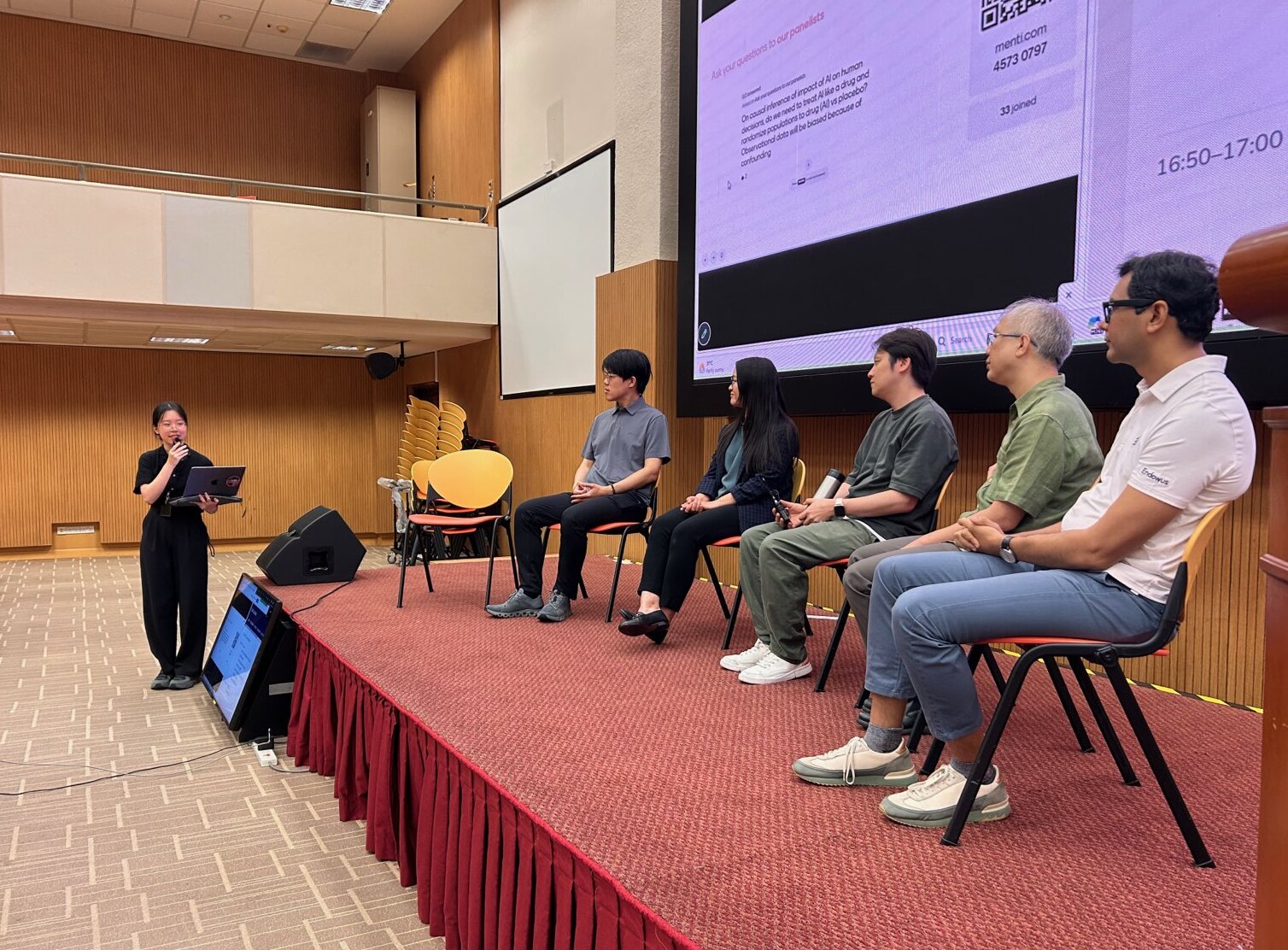

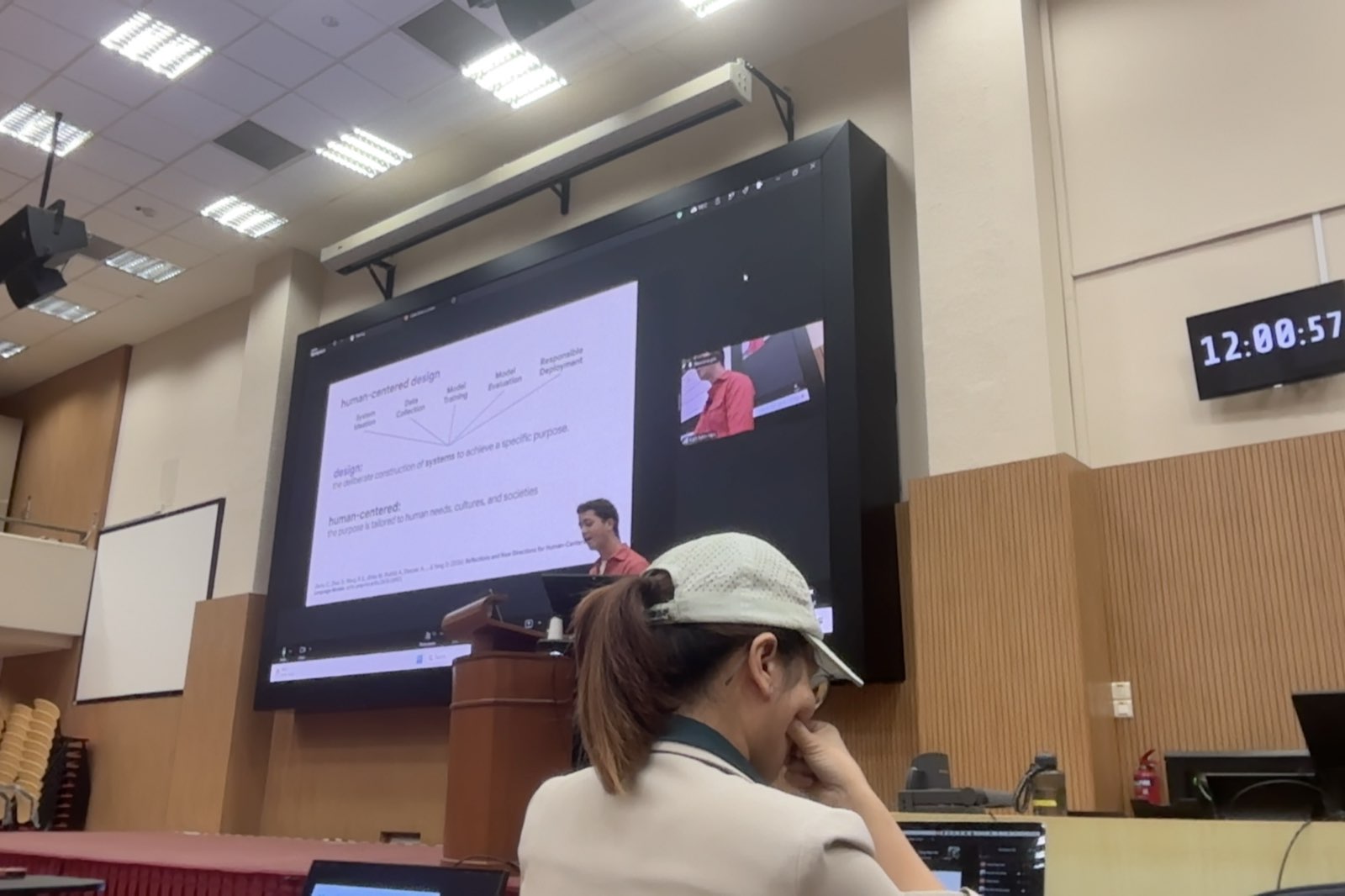
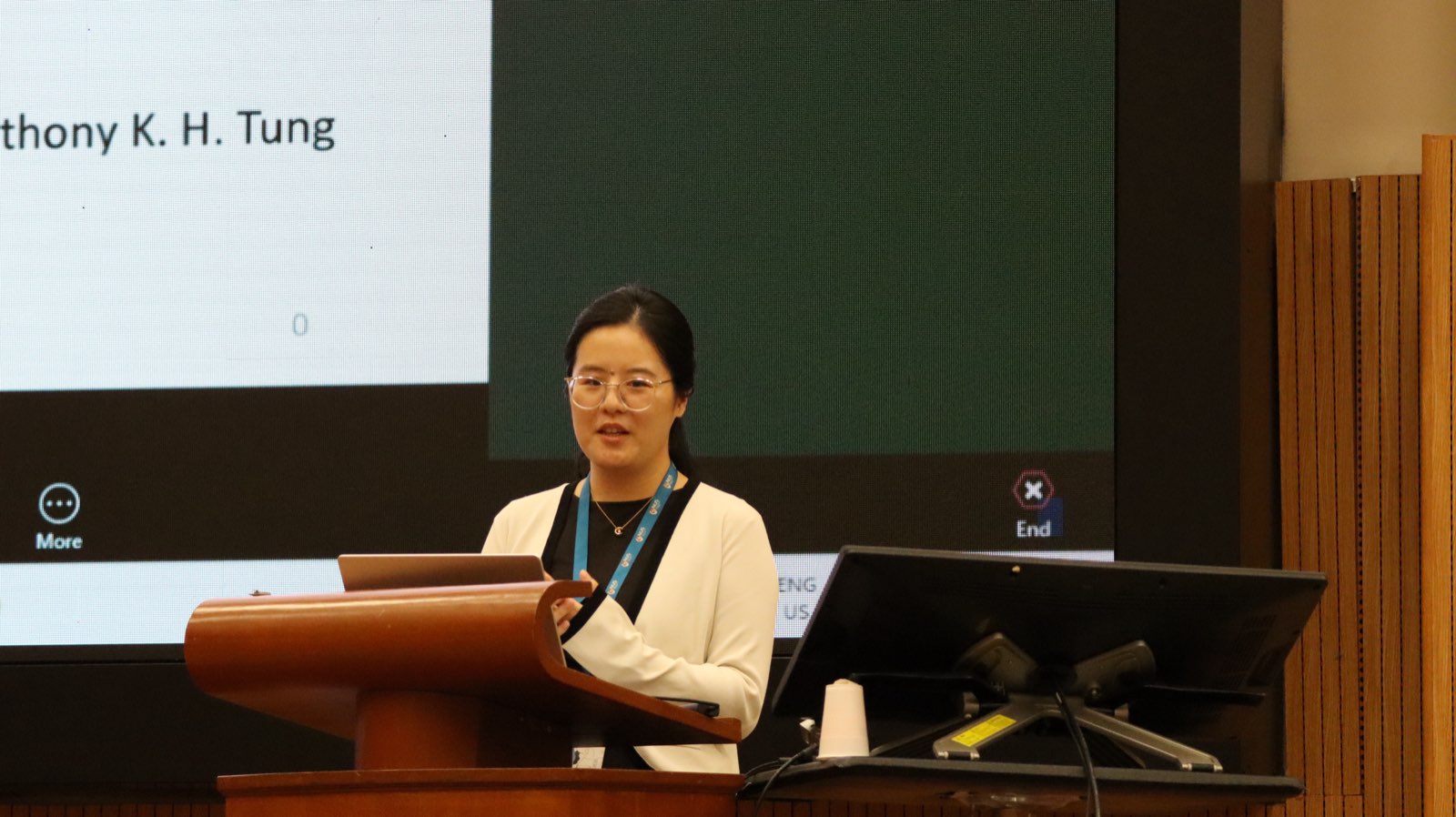
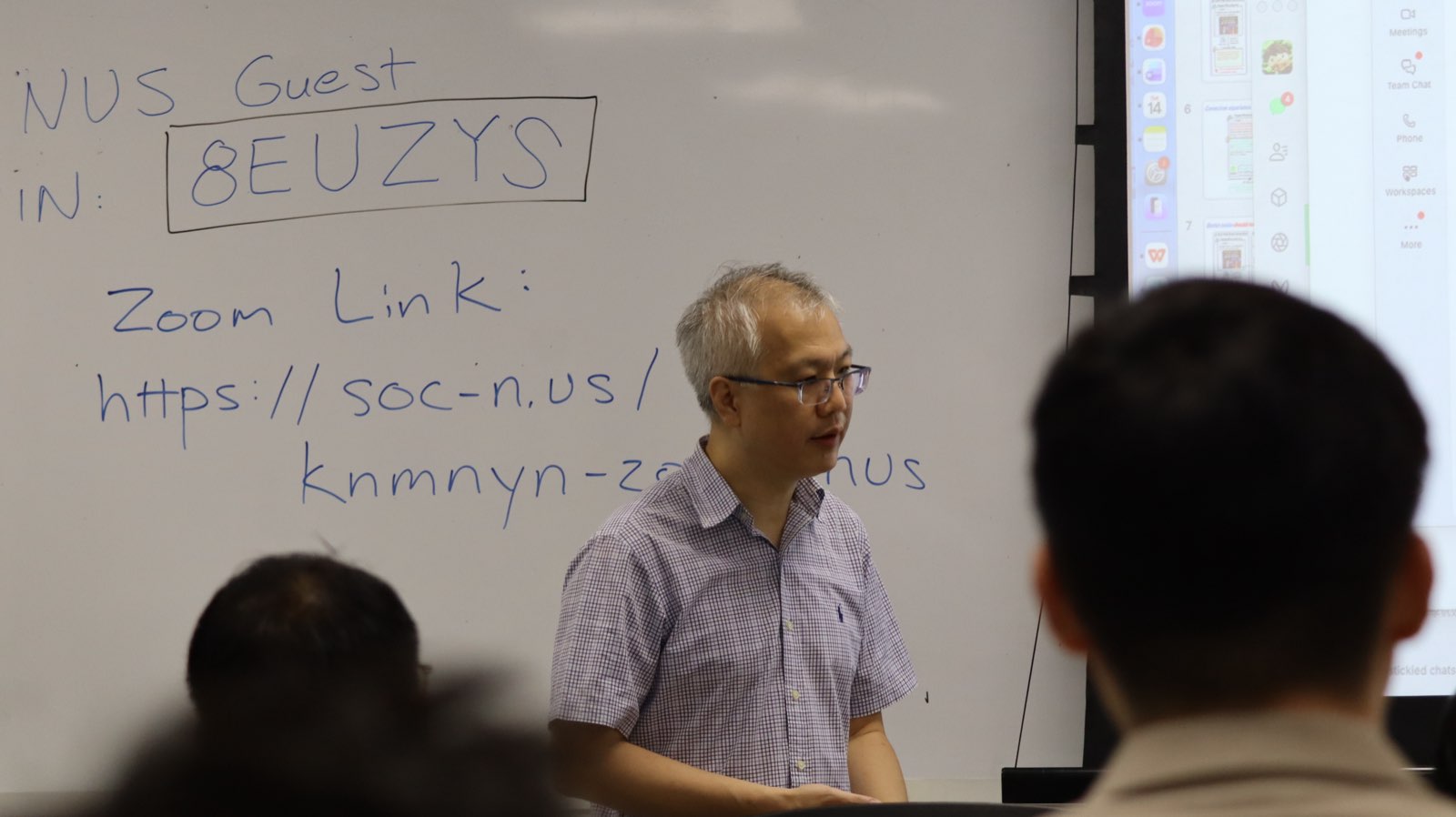
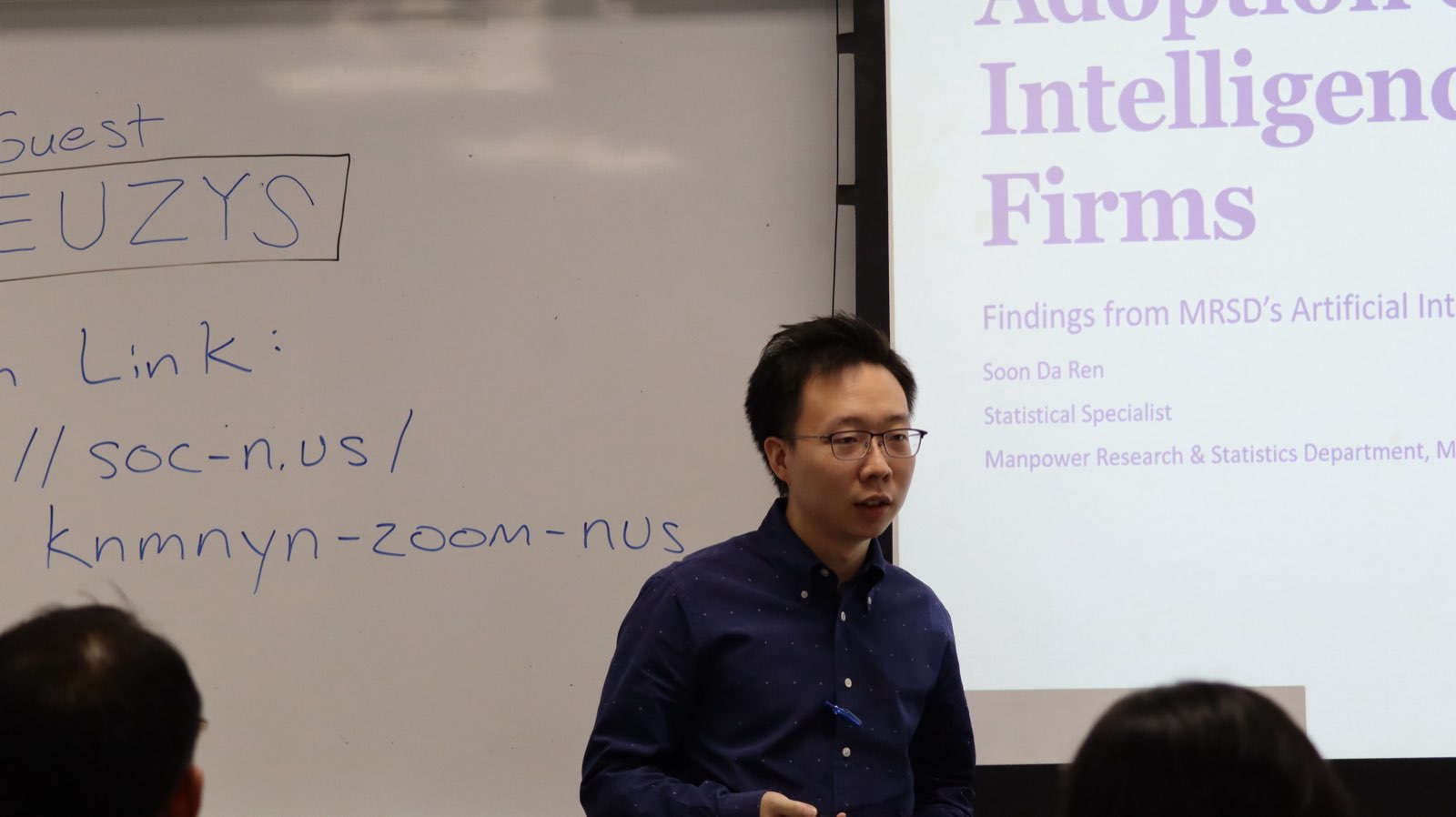
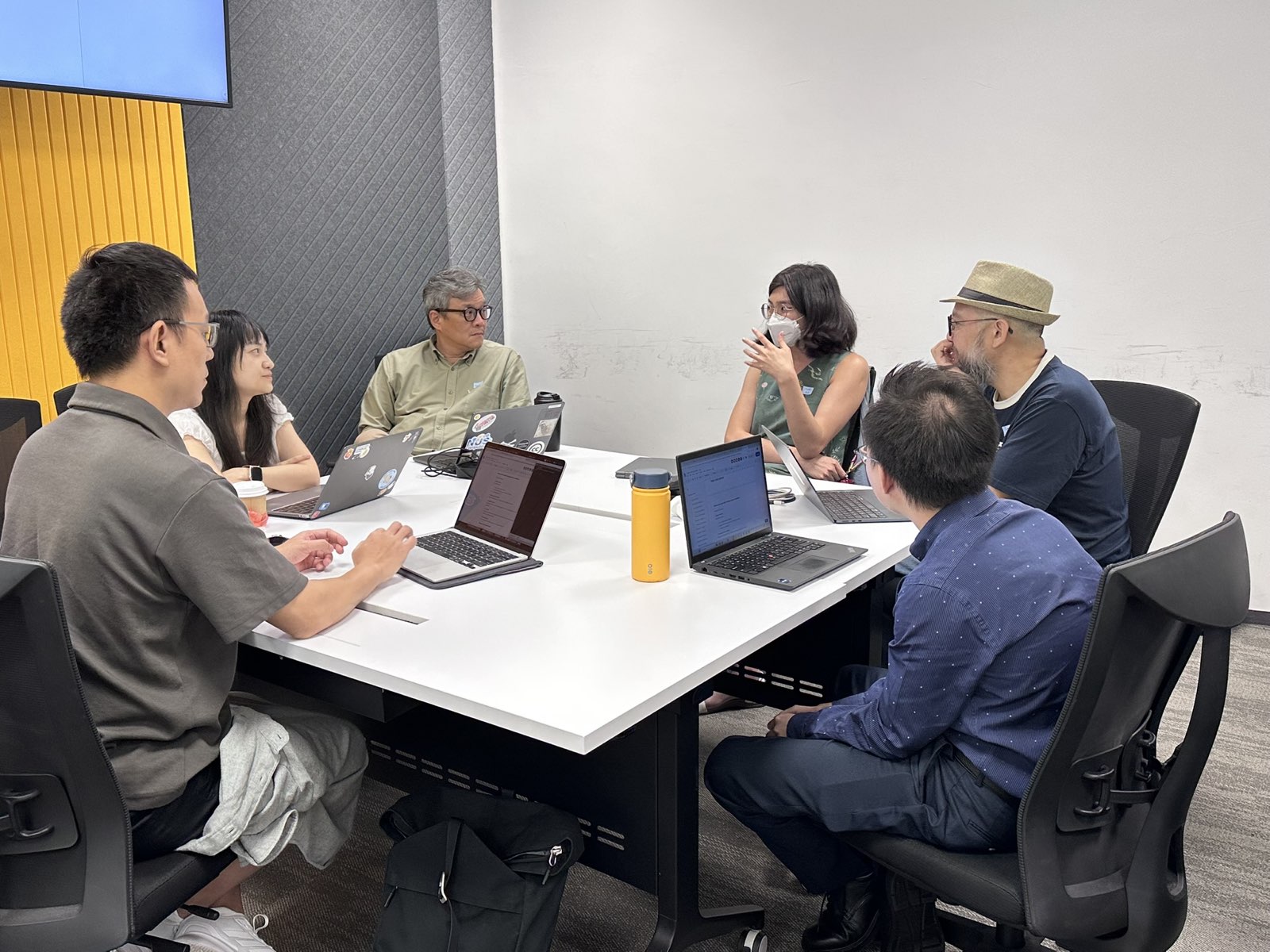
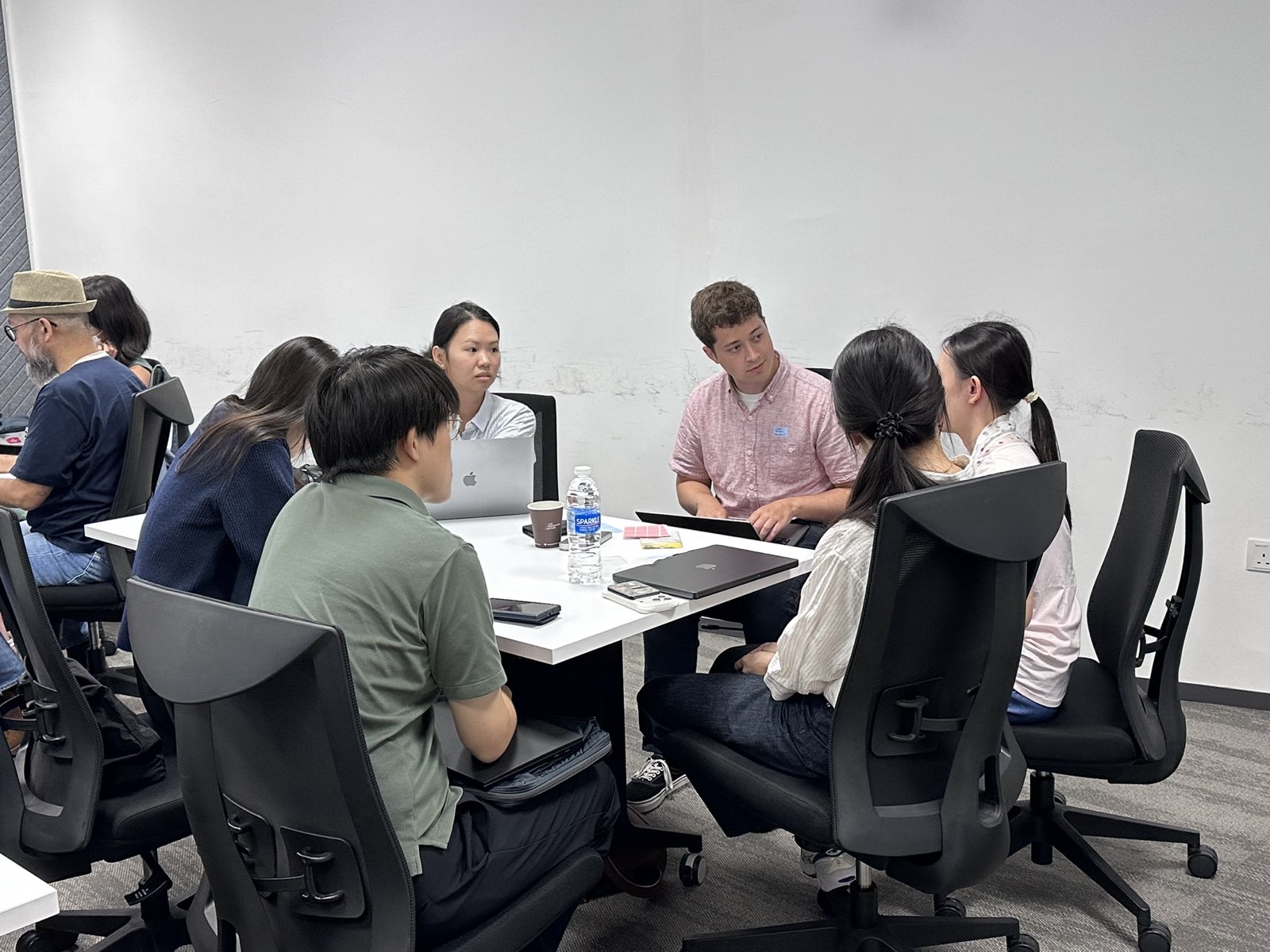
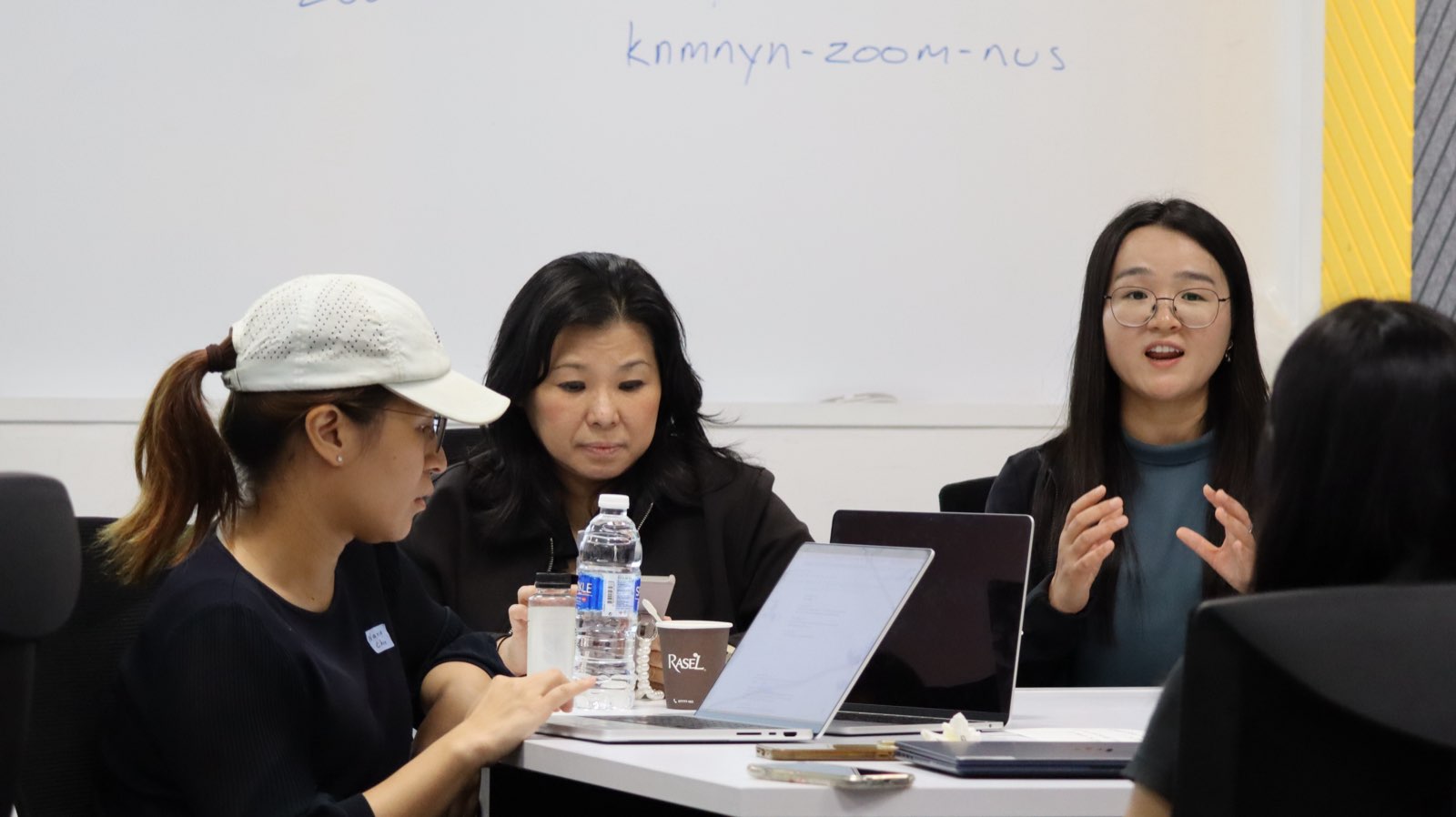
Stanford × NUS
Public recordings and presentation slides from selected CIVIC-AI 2026 talks are now available.
Explore talks & slidesParticipants list and AI summaries of sessions disseminated to workshop participants. For access, please contact the organisers. Information on the whitepaper draft will be announced soon.
First CIVIC-AI Workshop.
CIVIC-AI is a collaboration bringing together researchers to examine the interplay between artificial intelligence, work, and society. It kicked off with an inaugural 2026 workshop between Stanford and NUS, involving policy makers and funding agencies as key collaborators in informing the research agenda and shaping outcomes.
Our central questions span cross-cultural dimensions of AI adoption, the future of work and automation, and what constitutes irreducible human value and advantage as AI capabilities grow.
Selected recordings and presentation materials from the inaugural workshop are publicly available.
The workshop is organized by Stanford and NUS faculty, staff, and students across SALT Lab and WING.NUS. The list below is grouped so future additions can be made without changing the page structure.
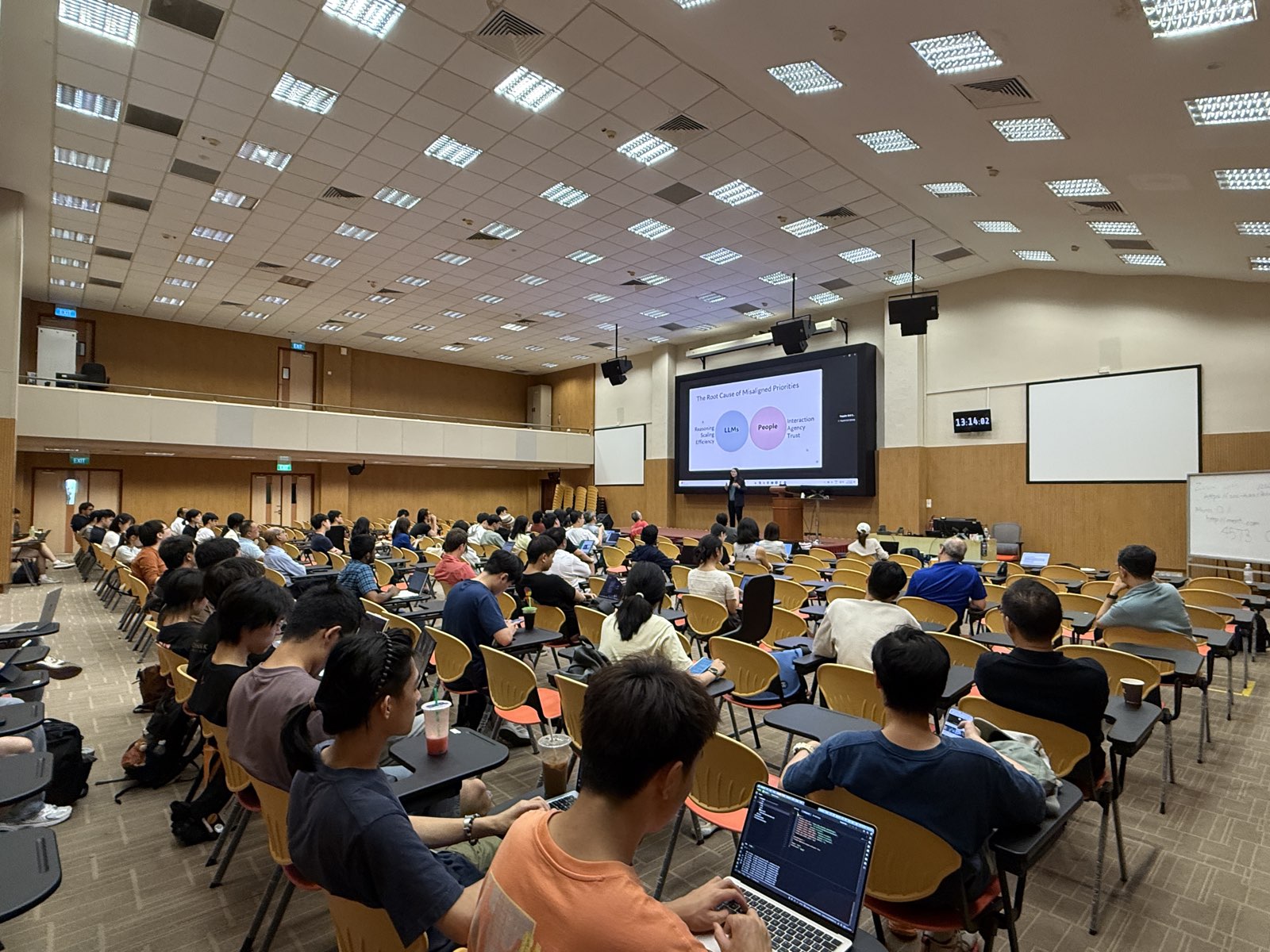
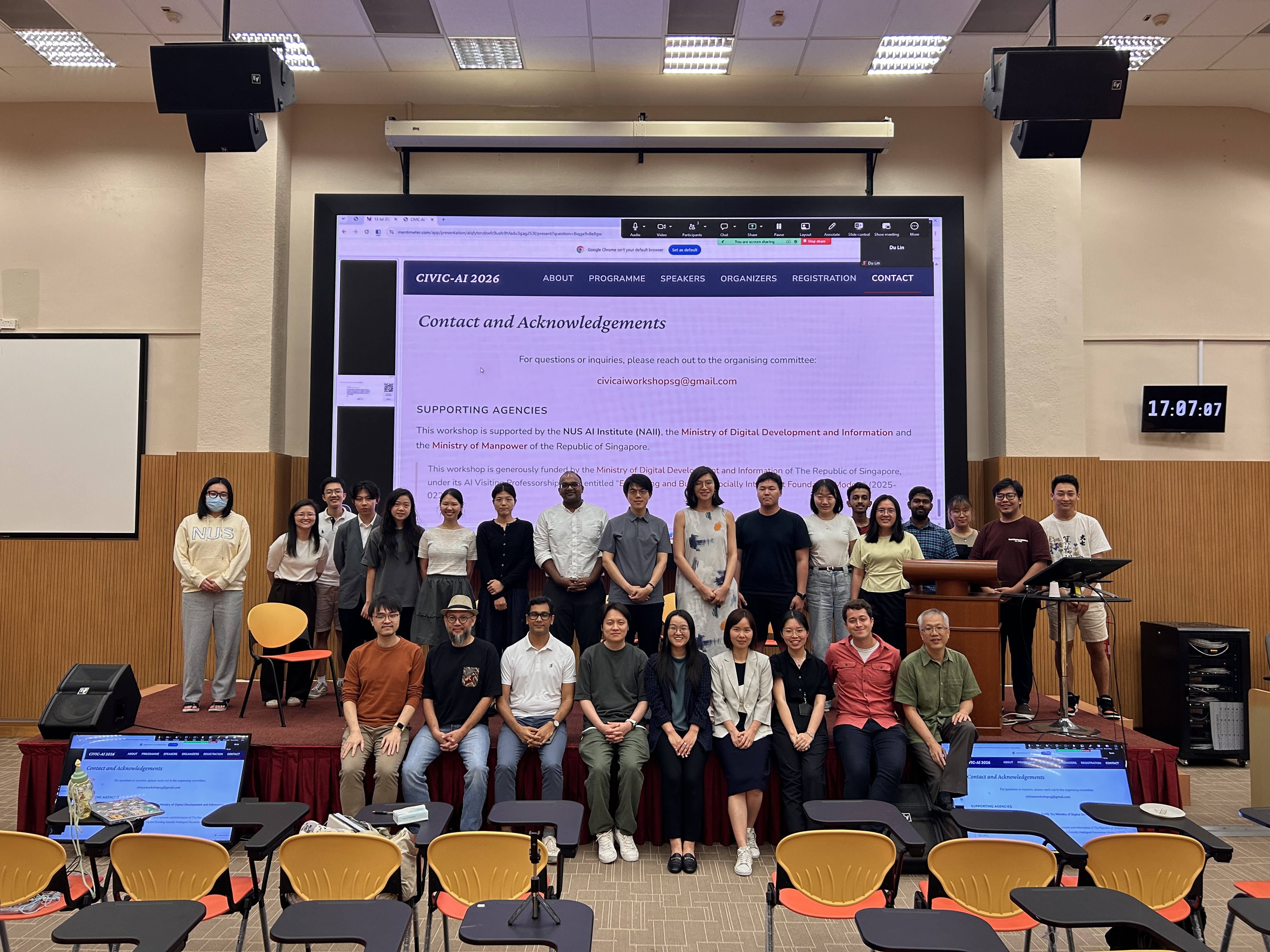
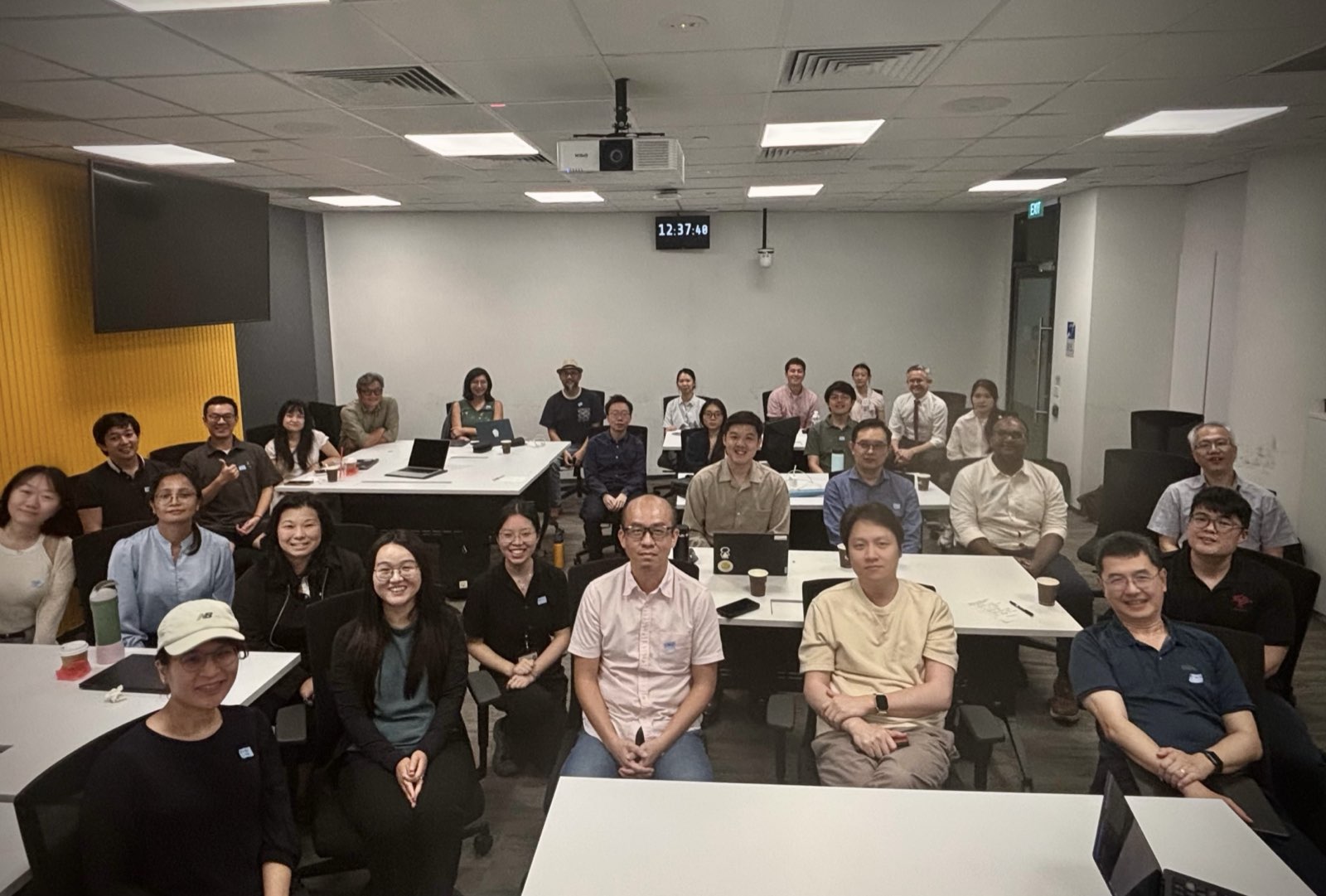
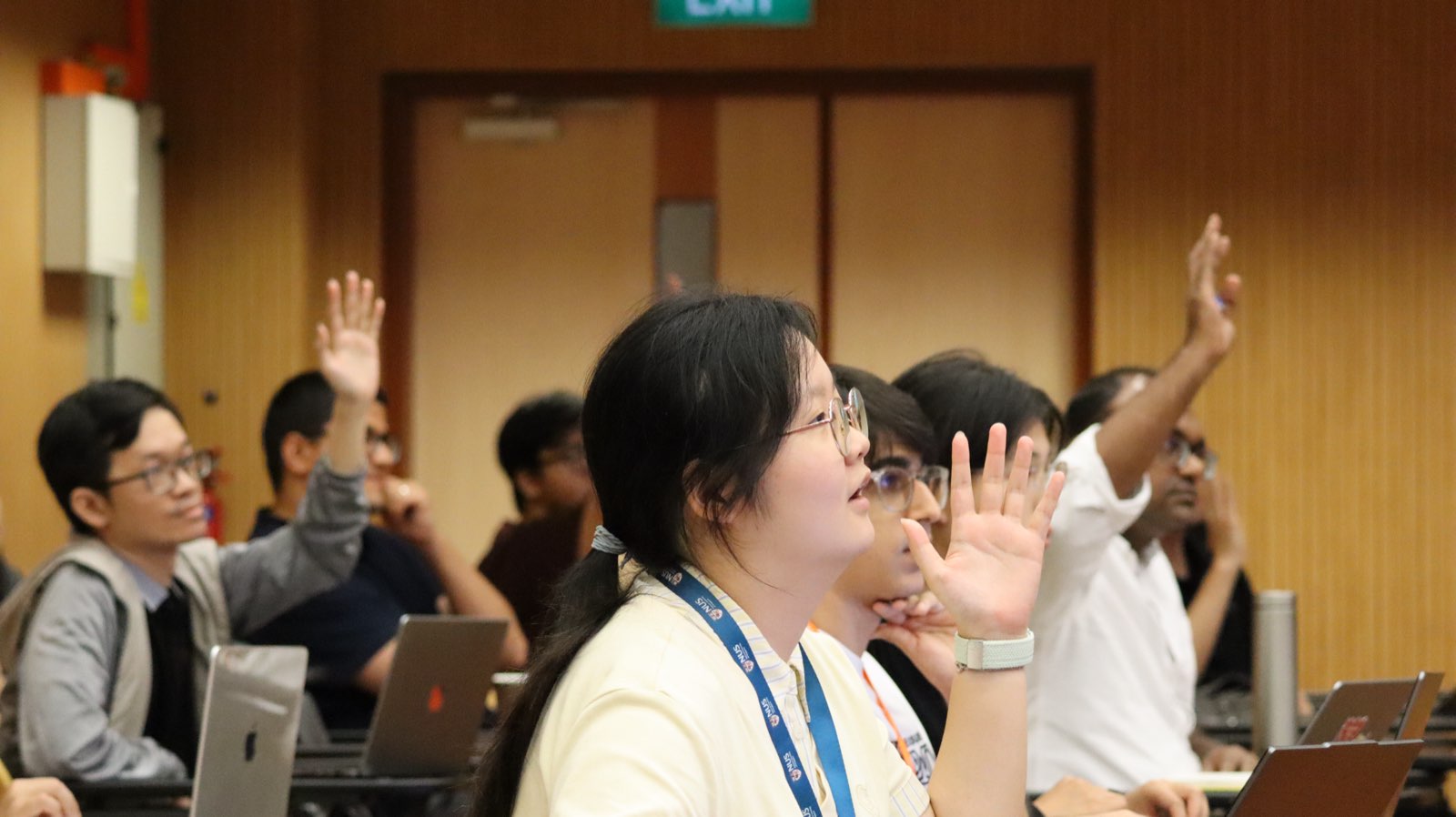
The inaugural Stanford–NUS workshop brought researchers, policy makers, and practitioners together around social intelligence and the future of work with AI agents.
For questions or inquiries, please reach out to the organising committee: